Anerley Station area skip hire options and local tips
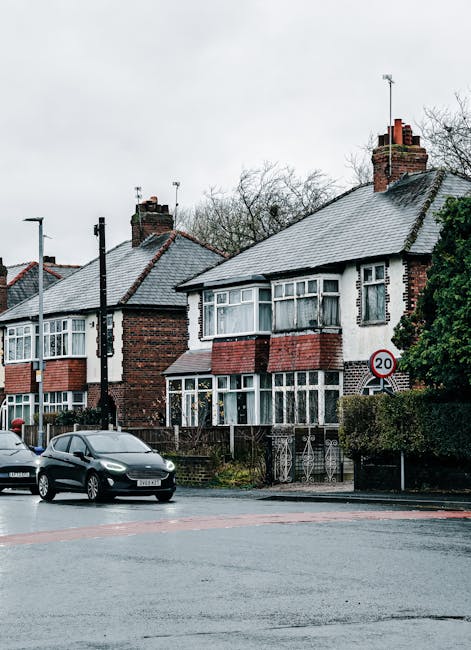
If you are planning a clear-out, a renovation, or a bit of building work near Anerley Station, the waste piles up faster than you think. One minute it is a broken wardrobe, a few bags of old tiles, and some garden cuttings; the next, your hallway looks like a small demolition site. That is where the right skip hire choice makes life easier. This guide on Anerley Station area skip hire options and local tips will help you choose the best service, avoid common snags, and get the job done with less stress. We will cover skip sizes, access issues around busy streets, permit considerations, and a few local, practical tips that genuinely matter.
Whether you are a homeowner, landlord, tradesperson, or business owner, the aim is the same: remove waste quickly, legally, and without wasting money. Sounds simple. In practice, it pays to think a step ahead.
Why Anerley Station area skip hire options and local tips Matters
Waste removal near a station area has a slightly different feel from a quiet suburban street. You often have narrower roads, more passing traffic, tighter parking, and less patience from neighbours if a skip blocks the wrong bit of pavement. Around Anerley Station, that mix can turn a straightforward clear-out into a frustrating one if you do not plan properly.
Skip hire matters because it gives you a controlled way to manage bulky or awkward waste. Instead of piling everything in bags, driving back and forth to the tip, or leaving rubble in the corner of the garden for "later", you get one organised collection point. That is a small thing, but it changes the whole pace of a project.
Local tips matter just as much. A skip can be the right solution and still go wrong if it is the wrong size, placed awkwardly, or ordered for the wrong dates. In busy parts of south London, access is often the deciding factor. A driver may need room to manoeuvre. A tenant might need a quick turnaround. A tradesperson may need the skip placed where a lorry can safely reach without causing chaos outside the front door. These are the little details that save time and money.
Expert summary: In the Anerley Station area, the smartest skip hire choice is usually the one that fits the access, the waste type, and the project timeline-not just the cheapest price on paper.
How Anerley Station area skip hire options and local tips Works
Skip hire is simple on the surface. You choose a skip size, agree a delivery date, fill it with approved waste, and arrange collection. But the quality of the experience depends on a few practical decisions made before the skip even arrives.
Most people start with the type of project. A small domestic declutter does not need the same setup as a bathroom refit or a full strip-out. For many household jobs, domestic skip hire is the natural fit. For bigger renovation or trade work, a builders skip hire option is often more appropriate because it handles heavier mixed waste, plasterboard, bricks, tiles, timber, and packaging more comfortably.
Then comes access. Around station roads, it is worth thinking about where the lorry can stop, whether there is clear turning space, and whether a skip needs to sit on private land or the road. If a skip has to go on a public road, you may need to look at skip hire permits or related skip permits, depending on the placement and local rules. That part is not exciting, granted, but it avoids expensive delays.
Some customers also prefer alternatives. If access is tight, a wait and load skip hire service can be useful because the vehicle waits while you load, then takes the waste away without leaving a skip behind. For faster clearances or awkward access, a grab hire services approach may be more suitable than a traditional skip. And if the load is mixed but relatively modest, a man and van clearance can sometimes be the neatest option.
The best choice is not always the most obvious one. It is the one that works in your street, on your timeline, and for the kind of waste you actually have.
Key Benefits and Practical Advantages
There is a reason skip hire remains popular for domestic, commercial, and trade projects. It is practical. Really practical. You do not have to overthink every bag of waste, and you do not need to keep loading a car boot until your back complains.
- Cleaner site management: Waste stays contained instead of spreading through driveways, gardens, or hallways.
- Better time control: You can work at your own pace during a renovation or clear-out.
- Less manual handling stress: One skip often reduces repeated trips, lifting, and clutter.
- Flexible service choices: You can choose standard hire, same-day options, or an alternative like grab hire depending on the job.
- Useful for mixed projects: Home, garden, builders' waste, and light commercial waste can often be handled in one planned disposal route.
There is also a quieter benefit: peace of mind. When waste is stored properly and collected by a professional service, you are less likely to end up with an untidy frontage, blocked access, or a pile of rubbish attracting complaints from neighbours. Nobody wants that awkward moment when someone leans over the fence and says, "How long is that staying there then?"
If sustainability is part of your decision, it is worth reviewing the provider's recycling and sustainability approach alongside the broader waste recycling services they use. A good service should explain how waste is handled rather than leaving it as a mystery.
Who This Is For and When It Makes Sense
Skip hire near Anerley Station makes sense for a lot of different people, but the reasons vary.
Homeowners and renters
If you are decluttering a flat, clearing a loft, or getting rid of renovation debris, skip hire is often the most straightforward route. It works especially well for one-off projects like a kitchen update, garden overhaul, or move-out clean. For smaller household jobs, services such as garage and loft clearance or house clearance can also be worth considering if you want the lifting and loading handled for you.
Landlords and letting agents
End-of-tenancy clearances often involve a messy mix: old furniture, broken bits, leftover tenant items, and general junk that has built up over time. In those cases, a skip can save repeated collection runs. If the job includes sofas, mattresses, or appliances, it may help to combine the skip with specialist disposal pages such as mattress and sofa disposal or fridge and appliance removal.
Builders and tradespeople
For trade work, the skip is less of a convenience and more of a workflow tool. It keeps site waste under control and helps maintain a safer workspace. Depending on the job, builders waste removal, construction waste disposal, or construction waste clearance may suit better than a standard household solution.
Commercial premises
Shops, offices, and small commercial sites often generate packaging, fixtures, old furniture, or refurbishment waste. A dedicated commercial skip hire arrangement is usually best when the job is more structured or ongoing. If the work is internal and security matters, you might also want to look at office clearance or even confidential shredding for sensitive paperwork.
Garden and outdoor projects
For landscaping, hedge removal, turf lifting, and green waste, a dedicated garden waste removal solution may be more efficient than filling a general skip with organic waste. It depends on the mix. If you have soil, hardcore, and branches all together, the right setup becomes more important.
Step-by-Step Guidance
If you want a smooth skip hire experience around Anerley Station, take it in order. That is usually the difference between "done by lunchtime" and "why is everyone suddenly irritated?".
- List the waste honestly. Put everything into rough groups: heavy rubble, timber, soil, furniture, garden cuttings, packaging, or mixed junk. This helps with both size and service choice.
- Estimate volume. It is easy to underestimate. A small room clearance can fill a skip faster than expected, especially if there are bulky items. When in doubt, go one size up rather than cramming the top.
- Check access on the day. Look at road width, overhanging branches, parked cars, low walls, and where the driver can safely stop. Around station areas, this is often the make-or-break step.
- Decide where the skip will sit. Private driveway, forecourt, or roadside? If it is roadside, check whether a permit route is likely needed.
- Choose the most suitable service type. Traditional skip, wait and load, grab hire, or man and van. The wrong method can add cost and hassle.
- Sort prohibited items early. Hazardous materials, certain electrical items, and some specialist waste need separate handling. Do not leave this to chance.
- Book the hire window. Match delivery and collection to your actual work schedule. If the skip arrives too early, it may sit half-empty and get in the way. Too late, and the waste backs up.
- Load efficiently. Put flat items at the bottom, break down what you can, and spread weight evenly. It sounds obvious. People still forget it all the time.
For a fast start, you can also use book online once you know the basics, and check pricing and quotes if you want a clearer idea of what the job might cost before you commit.
Expert Tips for Better Results
Here is where small, local judgement pays off.
First, think about timing. Deliveries near station roads can be more convenient earlier in the day, before parking gets busy. Even a twenty-minute difference can matter when traffic builds up. In our experience, people often say, "We'll just fit it in later," and later turns into unnecessary stress. Best not to.
Second, protect the surface. If the skip is going on block paving, tarmac, or a driveway you care about, ask about surface protection and placement. A few boards or a sensible position can prevent marks or pressure damage.
Third, separate reusable or specialist items before you start. You will save space and reduce the risk of accidental contamination. For example, keep metal, timber, and general waste apart if it helps you load better. If appliances, mattresses, or confidential documents are involved, deal with them separately using the relevant service pages.
Fourth, do not overfill. This is one of those small issues that turns into a big one. Overfilled skips can be unsafe to collect and may be refused. Keep material level with the top edge unless the provider has explained otherwise.
Fifth, ask about lockable options if needed. If your skip will be in a public-facing location or on a site where access is not controlled, an enclosed and lockable skip hire option can be a smart call. Not always necessary, but sometimes very reassuring.
And one more thing: if your project is compressed into a single day, or you are dealing with limited access, same day skip hire may be worth asking about. It can save a project from stalling at exactly the wrong moment.
Common Mistakes to Avoid
A lot of skip hire problems are avoidable. Honestly, most of them are. They happen because the job gets rushed, or because people assume "it'll probably be fine".
- Choosing the wrong size: Too small means overflow or extra collections. Too large can be unnecessary spend.
- Ignoring access constraints: A skip that cannot be delivered safely becomes a delay you did not budget for.
- Forgetting permit needs: If the skip ends up on the road, the paperwork matters.
- Mixing restricted waste: Some items need specific handling. Check before loading, not after.
- Waiting until the last minute: Last-minute bookings reduce your options, especially during busy periods.
- Loading randomly: Poor loading wastes space and makes collection more awkward.
- Using a skip for the wrong job: Sometimes a grab lorry or man and van is simply the better fit.
One customer mistake we see often is booking a skip for a "quick clear-out" without sorting the waste first. Then the junk turns out to include a broken fridge, several bags of plaster, a mattress, and a pile of garden soil. That is not one job; that is four different waste types trying to share a single plan. Bit of a muddle.
Tools, Resources and Recommendations
You do not need specialist tools to organise skip hire, but a few simple things help.
- Measuring tape: Useful for checking gate widths, driveway space, and rough skip placement.
- Phone photos: Snap the access point, front area, or loading location before you book. It helps avoid misunderstandings.
- Simple waste list: Write down the main materials and estimated volume.
- Project calendar: Match the hire period to your actual work stages, especially for renovations.
- Provider service pages: Use the relevant pages for specialist waste rather than assuming one solution covers everything.
If your job is not really suited to a skip, there are still good alternatives. rubbish removal can work well for fast clearances. grab lorry hire is often better for larger loose waste or sites with access room for the lorry but not for a skip. For heavier material, muck away services can be the more sensible route.
If you want to understand the waste rules before loading, the company's guide on what can go in a skip is a very useful starting point. It is one of those pages people often overlook until they are standing beside the skip with a questionable item in hand.
Law, Compliance, Standards, or Best Practice
Waste disposal in the UK should be handled carefully and lawfully. The exact rules depend on the type of waste and where the skip is placed, but a few broad best-practice points are worth keeping in mind.
First, duty of care matters. If you produce waste, you are responsible for making sure it is passed to an authorised carrier and handled appropriately. That is why using a reputable service is not just convenient; it is part of doing the job properly.
Second, hazardous or special waste should never be treated casually. Items like chemicals, asbestos-related material, oils, batteries, and certain electrical or contaminated materials need specific handling. If you are unsure, treat the item as restricted until confirmed otherwise. Better safe than sorry, as they say.
Third, public-road placement is where permit concerns often come in. This is a practical matter as much as a legal one. A skip placed where traffic, pedestrians, or neighbours are affected must be managed properly to reduce risk and inconvenience.
Fourth, site safety is not optional. A skip should be positioned so it does not create avoidable hazards, block access routes, or interfere with visibility. The company's health and safety policy and insurance and safety information are useful signs that the provider takes these responsibilities seriously.
Finally, for sensitive materials or workplace disposals, use the right service. A skip is not a catch-all. For document-heavy office work, confidential shredding is a better fit than tossing paperwork into mixed waste. That kind of judgement keeps projects clean, safe, and compliant.
Options, Methods, and Comparison Table
Choosing between skip hire options is easier when you compare them side by side. The "best" method depends on space, waste type, and how quickly you need the job cleared.
| Option | Best for | Advantages | Things to watch |
|---|---|---|---|
| Traditional skip hire | Home projects, building waste, mixed clear-outs | Simple, flexible, good for ongoing work | Needs space; may require a permit on the road |
| Wait and load | Tight access, no place to leave a skip | No skip left behind, useful for short jobs | Loading has to be quick and organised |
| Grab hire | Bulk waste, loose rubble, soil, outdoor clearances | Fast collection, often excellent for awkward piles | Needs vehicle access and suitable loading area |
| Man and van | Smaller clearances, furniture, lighter mixed waste | Flexible and personal, good for small loads | May be less efficient for heavy bulk waste |
| Rubbish removal | One-off household or commercial clearances | Hands-off and quick for the customer | Less ideal if you want to load gradually yourself |
If your project is a full strip-out or demolition, you may want a more specialised route such as demolition waste removal or site clearance. For business spaces, there is also office clearance when desks, chairs, and fittings are part of the job.
Case Study or Real-World Example
Picture a flat near Anerley Station that is being refurbished between tenants. The job includes old laminate flooring, broken skirting, cardboard packaging, a stripped kitchen unit, and a few bulky items left behind. The access is decent, but the road can get busy, and there is not much space for waste to sit outside for long.
In a situation like that, the most useful approach is usually to start by estimating the mix rather than just the volume. If the waste is mostly household and light renovation debris, a domestic or builders-style skip is a good place to begin. If the waste includes bulky furniture, a small number of heavy items, and some sensitive paperwork, then a combination of skip hire and specialist disposal may be better.
One practical decision makes a big difference here: keeping the skip period aligned to the refurbishment timetable. If the flooring team finishes on Wednesday and the decorators start Thursday, the skip should be on-site for the transition, not after it. That sounds obvious, but in real life it is exactly where jobs slip. A missed day can leave a hallway full of stripped material, dust in the air, and everybody waiting around with that slightly tired look people get on renovation days.
For this kind of mixed project, customers often pair a general skip with targeted services like mattress and sofa disposal or fridge and appliance removal. That keeps the skip free for the materials it handles best and reduces waste rejection issues.
The result is usually smoother, tidier, and less stressful than trying to force every item into one solution. Simple, but effective.
Practical Checklist
Use this before you book. It saves time.
- Have you listed the main waste types?
- Do you know whether the waste is mixed, heavy, green, or bulky?
- Have you measured the access route and loading space?
- Will the skip sit on private land or a public road?
- Have you checked whether a permit route may be needed?
- Do you know whether a traditional skip, grab hire, wait and load, or man and van is best?
- Have you sorted out any restricted or hazardous items separately?
- Is your delivery and collection timing matched to your project?
- Have you reviewed the provider's pricing, recycling approach, and safety information?
- Are you ready to load the skip safely without overfilling it?
If you can tick all ten, you are in very good shape. If not, that is fine too. Better to spot the issue now than on collection day.
Conclusion
Good skip hire near Anerley Station is really about fit: fit for the street, fit for the waste, and fit for the way you actually work. The best choice is not just the biggest skip or the cheapest quote. It is the option that makes the job simpler, safer, and more predictable from start to finish.
When you plan access properly, choose the right disposal method, and keep an eye on the rules around permits and restricted waste, the whole experience becomes much easier. That is true whether you are clearing a flat, managing a trade job, or tidying up after months of "I'll deal with that later."
For a calm, well-organised result, use the information above as your working guide, then choose the service that matches your space and schedule. Little bit of planning now saves a lot of fuss later. And to be fair, that is exactly what most of us want.
Get a free quote today and see how much you can save.
When the work is done, there is a real satisfaction in seeing the space clear again. Quiet, empty, ready for the next thing. That part never gets old.
Frequently Asked Questions
What is the best skip hire option for a flat near Anerley Station?
It depends on access and waste type, but many flat-based jobs work well with domestic skip hire, wait and load, or a man and van service if space is tight.
Do I need a permit for a skip in the Anerley Station area?
If the skip is going on a public road, a permit may be needed. If it is fully on private land, you may not need one. It is best to confirm before booking.
How do I know what skip size I need?
Start with the type of waste and how much space it will take once broken down. If you are unsure, it is usually wiser to choose a slightly larger size than to risk overflow.
Can I put building rubble in a skip?
Yes, usually, but heavy rubble should be managed carefully because weight limits matter. Brick, tile, and concrete loads are common, but they need to be loaded sensibly.
What waste should not go in a skip?
Hazardous items and certain specialist materials should not be put in a standard skip. If you are unsure about an item, check before loading it.
Is same-day skip hire possible near Anerley Station?
Sometimes, yes. It depends on availability, access, and what kind of skip or service you need. Same-day options can be helpful for urgent clearances.
What is the advantage of wait and load skip hire?
It is useful when there is nowhere safe or practical to leave a skip. The vehicle arrives, you load the waste, and it leaves again without a skip staying on site.
Is grab hire better than a skip?
Not always, but it can be better for loose bulky waste, soil, or rubble where the lorry can reach the load easily. For gradual loading over several days, a skip is often better.
Can I use a skip for garden waste?
Yes, although dedicated garden waste removal may be more efficient if your load is mainly green waste. For mixed outdoor rubbish, a skip can still be a good fit.
How can I avoid overfilling a skip?
Break items down, load flat pieces first, spread weight evenly, and do not go above the top edge. If you are close to the limit, stop and reassess before adding more.
What if my access is narrow or awkward?
That is exactly when options like wait and load, grab hire, or man and van become more useful. A quick site assessment or photo can help narrow down the best choice.
How do I check whether a provider is reliable?
Look for clear pricing, straightforward waste guidance, safety information, and transparent service pages. A sensible provider should make the process feel clear, not confusing.
Can I get a quote before booking?
Yes, and you should. A proper quote helps you compare options and avoid surprises. It is a good idea to review pricing and the booking terms before confirming.
What is the most common mistake people make with skip hire?
The most common mistake is underestimating both the amount of waste and the space needed for delivery. A close second is forgetting about permit or access issues until the last minute.